Local Stock vs Delivery Speed: What Actually Determines Your Singapore Vape Order
I have lost count of the number of times a checkout page promised me a two-hour window, only for the order to sit untouched for two days. The first time it happened, I assumed the courier was slow. The second time, I blamed the weather. By the third time, I finally asked the right question: was the item ever actually in Singapore to begin with? That question changed how I shop entirely. Now I do not look at the delivery timer first. I look at stock. If the listing does not clearly show that the device is sitting in a local warehouse, the promised speed is decoration. This is why Sg vape shop delivery caught my attention — it puts local availability at the front of the conversation rather than hiding it behind a flashy countdown.
Once you understand how stock cycles work, the whole experience stops being a lottery. You stop refreshing tracking pages and start reading availability signals. You stop trusting “fast delivery” badges and start trusting inventory. That shift is what this article is about.
Why a Fast Delivery Promise Collapses Without Local Stock
Delivery speed is a downstream number. It is the result of several upstream conditions lining up: the item is physically in the country, it is picked and packed, and a courier collects it within a reasonable window. If the first condition fails, nothing else matters. A seller can advertise same-day dispatch all day long, but if the stock is on a plane or stuck in a customs queue, the clock does not start.
This is the trap I fell into repeatedly. The product page looked identical to a locally stocked one. The price was similar. The delivery estimate was even slightly better. What I did not see was the fine print — or the absence of any stock statement at all. When a listing is silent about where the item is, that silence is usually the answer. It means the seller is either drop-shipping, back-ordering, or waiting on a restock they have not disclosed.
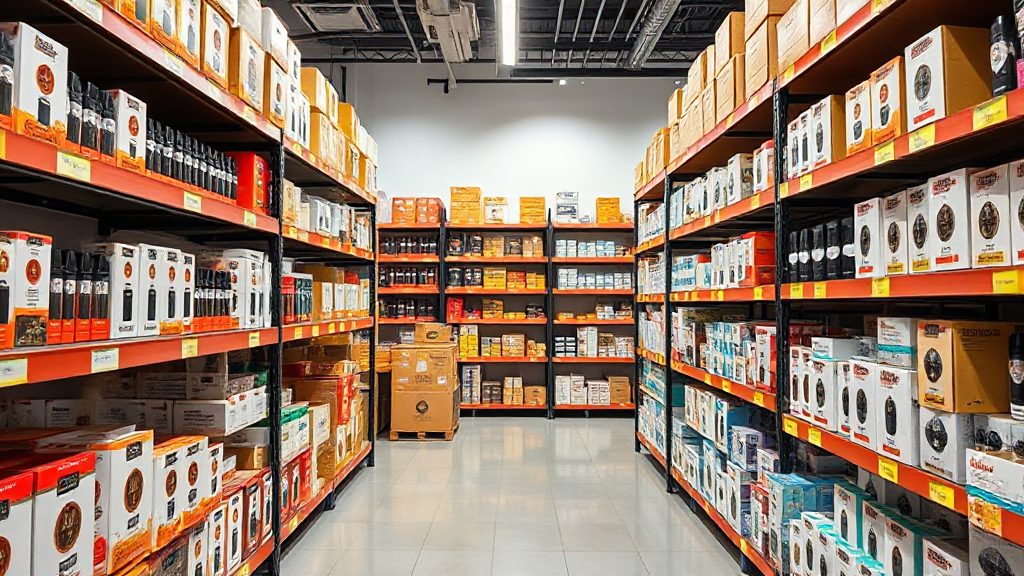
A genuinely local operation behaves differently. It can tell you the item is on the shelf because it is on the shelf. That is the entire value proposition behind lana vape sg — the inventory exists before the order does, so the delivery window is a real commitment rather than a hopeful estimate. When I started filtering for that, my failed orders dropped to almost nothing.
How Stock Cycles Actually Work Behind the Scenes
Every vape retailer in Singapore runs on a stock cycle, whether they admit it or not. The cycle has four rough phases: intake, active selling, depletion, and restock gap. Problems only appear in the last two phases, and they appear fast.
During intake, a shipment lands, gets checked, and goes live on the site. This is the safest time to order. Active selling is the comfortable middle — stock is healthy, popular models are still available, and dispatch is routine. Depletion is where things get interesting. The best-selling devices and pod flavours start running low. A good seller updates quantities in real time. A careless seller leaves listings live and lets orders pile up against stock that no longer exists.
The restock gap is the dangerous phase. This is the window between “sold out” and “available again,” and it is exactly when vague delivery promises do the most damage. If you order during a restock gap without realising it, you are not buying a product — you are buying a place in a queue you did not know existed.
Understanding this cycle is why I now treat availability as the primary signal and speed as the secondary one. A slightly longer but honest window beats a short window that depends on a shipment nobody has confirmed. This is also why a platform built around Singapore lana vape local stock tends to feel more predictable — the seller is working within the cycle rather than pretending it does not exist.
Restock Timing and the Patterns Worth Watching
Restocks are not random. They follow patterns, and once you notice them, you can plan around them instead of gambling on them.
The first pattern is weekday bias. Most intake happens early in the week, which means Monday to Wednesday orders generally draw from the freshest, deepest stock. By Friday, popular disposables and pod flavours have taken the heaviest hits. If you are chasing a specific flavour or a limited model, ordering midweek gives you a real advantage.
The second pattern is model-level depletion. Flagship devices sell out first because they attract the most attention. When a high-demand model like an Elf Bar variant goes low, the seller either restocks it quickly or lets it sit unavailable. Watching how a shop handles that moment tells you a lot about its operation. A shop that marks it out of stock honestly is more trustworthy than one that keeps taking orders and quietly delays them.
The third pattern is seasonal drift. Demand shifts around public holidays, long weekends, and payday periods. A shop with genuine local inventory can absorb those spikes because it planned for them. A shop without local stock cannot, and that is when delivery promises start slipping.
I now check restock behaviour before I check anything else. If a store consistently shows real availability and honest sold-out states, I trust its delivery estimates. If it never shows a sold-out state at all, I assume the listings are not tied to real inventory. That single test has saved me more frustration than any tracking app. It is also why Lana vape same day delivery reads as credible to me — same-day only works when the stock is already on hand.
What Availability Signals Tell You About a Seller
Availability is not just a yes-or-no field. It is a set of signals, and each one tells you something about how the seller operates.
An accurate stock count, even a rough one, signals that the seller is tracking inventory in real time. A clear “sold out” label signals honesty — they would rather lose the sale than take an order they cannot fulfil. A restock date, even an approximate one, signals planning. Discreet packaging information signals that they understand the local context and care about how the order arrives. All of these are more useful than a delivery badge.
The strongest signal, though, is consistency. When the same shop shows accurate availability across dozens of listings over several weeks, you are looking at a real inventory system rather than a hopeful storefront. That consistency is what turns a one-off purchase into a repeat relationship.
This is the practical reason local stock matters more than advertised speed. Speed is a claim. Stock is evidence. A seller with evidence can afford to be modest about delivery windows because the order will actually move. A seller without evidence has to shout about speed because that is all they have to sell. Once you internalise that, the entire Singapore vape delivery landscape becomes much easier to navigate.
Building a Repeat Buying Routine Around Stock, Not Speed
After enough failed orders, my routine changed. I no longer start with the product page. I start with availability. If the item I want is clearly in local stock, I proceed. If it is ambiguous, I either pick an alternative that is clearly available or I wait for a restock I can verify.
I also keep a short list of devices and flavours I actually use, so I am not tempted by listings that happen to be available but are not what I need. This sounds obvious, but it matters — impulse buying is exactly how people end up ordering from sellers with no local stock and then wondering why nothing arrived.
Finally, I treat delivery windows as a tiebreaker, not a headline. When two sellers both have real local stock, then speed becomes a legitimate way to choose between them. Until that condition is met, speed is just marketing. That single reordering of priorities has made my experience with Vape delivery sg far more reliable than anything I got from chasing the fastest advertised timer.
The lesson is simple and a little unglamorous: the fastest delivery in the world cannot ship a product that is not there. Stock first, speed second. Everything else is noise.
Frequently Asked Questions
How can I tell if a vape listing is actually in local stock?
Look for explicit availability signals: an in-stock label, a rough quantity, or a clear sold-out state on other listings. A shop that shows honest sold-out status is more likely to be tracking real inventory. If a listing says nothing about stock and only advertises fast delivery, treat that as a warning sign rather than a promise.
Why do some orders get delayed even when same-day delivery is advertised?
Usually because the item was never in local stock. Same-day delivery depends on the product already being on the shelf. If the seller is waiting on a shipment, a restock, or a supplier, the delivery clock cannot start, no matter what the checkout page said. Local inventory is the precondition for any speed claim.
When is the best time to order to avoid restock gaps?
Early to midweek tends to be safest, because most restocks land at the start of the week and stock is deepest then. Popular models and flavours deplete fastest toward the end of the week and around holidays. If you want a specific item, order while availability is clearly healthy rather than waiting until it is nearly gone.
Does discreet packaging affect delivery timing?
Not in any meaningful way. Discreet packaging is a handling and presentation choice, not a speed factor. It matters for privacy and for how the parcel arrives, but it does not change whether the item is in stock or how quickly a courier can collect it. Stock availability remains the variable that determines your actual delivery experience.